

Discover
Saitama University
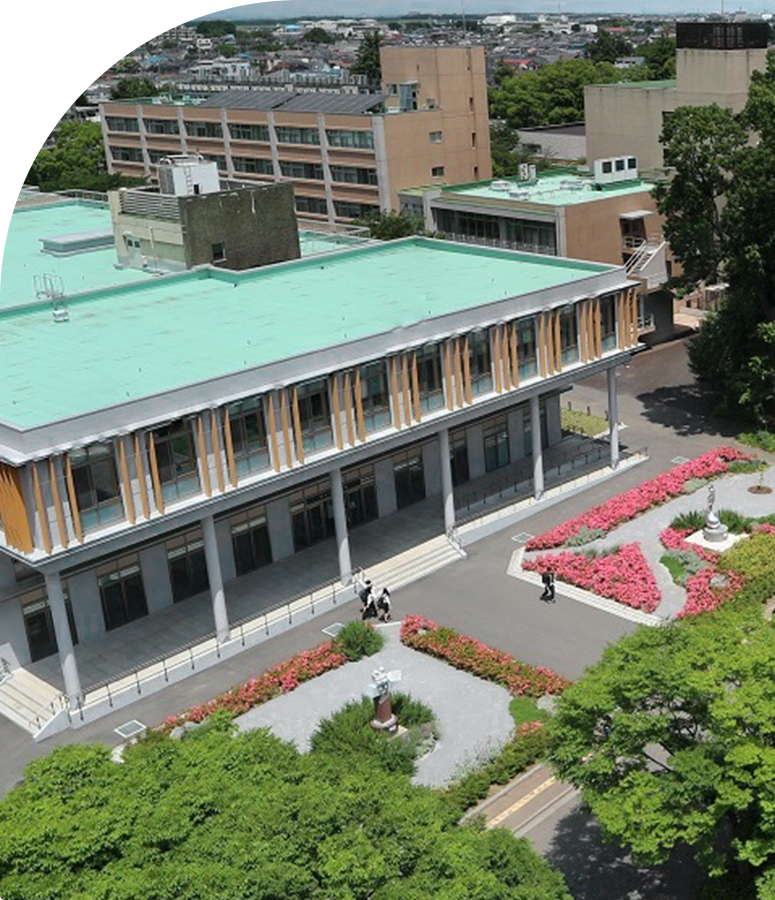
Saitama University is the only national university in Saitama Prefecture and is conveniently located just north of Tokyo, the capital of Japan. As a national university established in 1949 through the integration of three educational institutions in the prefecture, the University has a long history of providing high-quality education and will celebrate its 80th anniversary in 2029.
One of the University’s key features is it's All in One Campus, where all academic units are located on a single, cohesive campus. Five undergraduate faculties : Liberal Arts, Economics, Education, Science, and Engineering and three graduate schools : Humanities and Social Sciences, Education, and Science and Engineering are brought together in one location. This structure allows students to learn in a well connected academic environment that encourages interaction across different fields of study and supports well rounded intellectual growth.
Saitama University places strong emphasis on international education. In fiscal year 2024, the University was selected for “Multicultural Campus Project Toward Social Inpact" funded by the Ministry of Education, Culture, Sports, Science and Technology (MEXT). By combining regional engagement with global perspectives, Saitama University offers opportunities for Japanese and International students to study and learn together in a multicultural setting. Through this supportive and inclusive environment, the University aims to nurture individuals who can contribute responsibly and meaningfully to both local communities and the global society.

Why Choose Saitama University
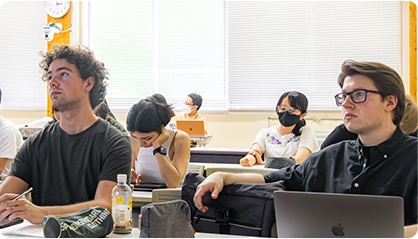

Multicultural Collaborative Education
Saitama University offers an inclusive and welcoming environment where Japanese and International students learn together and grow both academically and personally. Through engaging classes and a wide range of extracurricular activities, students gain meaningful insights into Japanese culture as well as global issues.
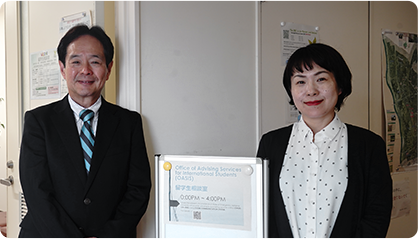

Reliable Support System for International Students
The university provides comprehensive support for international students through offices such as the Office of International Affairs and the Office of Advising Services for International Students (OASIS). Our staff assist with academics, campus life, and everyday matters, helping students feel confident as they settle into life in Japan.
Many departments also offer a tutor system for students who are still gaining confidence in Japanese.
Tutors help with course registration, daily administrative tasks, and navigating campus facilities, making the transition to university life smoother.
Support services continue to expand, including translation tools that allow students to receive guidance in their preferred languages.
Learn more about our Support ▼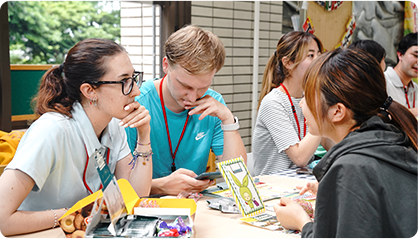

International Exchange within the University
Around 600 international students from approximately 40 countries and regions study on Saitama University’s All in One Campus, where all undergraduate faculties and graduate schools are located together. This integrated setting fosters close connections and an active, collaborative community.
Students have many opportunities to meet and engage with both Japanese and international peers through language exchange programs, sports activities, cultural events, and other university organized programs. The university community works together to ensure that students—especially those arriving in Japan for the first time—quickly feel comfortable on campus.
Club activities, cultural festivals, and community engagement
We offer a wide variety of student clubs and international exchange events, giving students plenty of chances to interact, make friends, and enjoy a fulfilling campus life. By joining events such as the university festival, students can experience Japanese culture firsthand and create memorable moments.
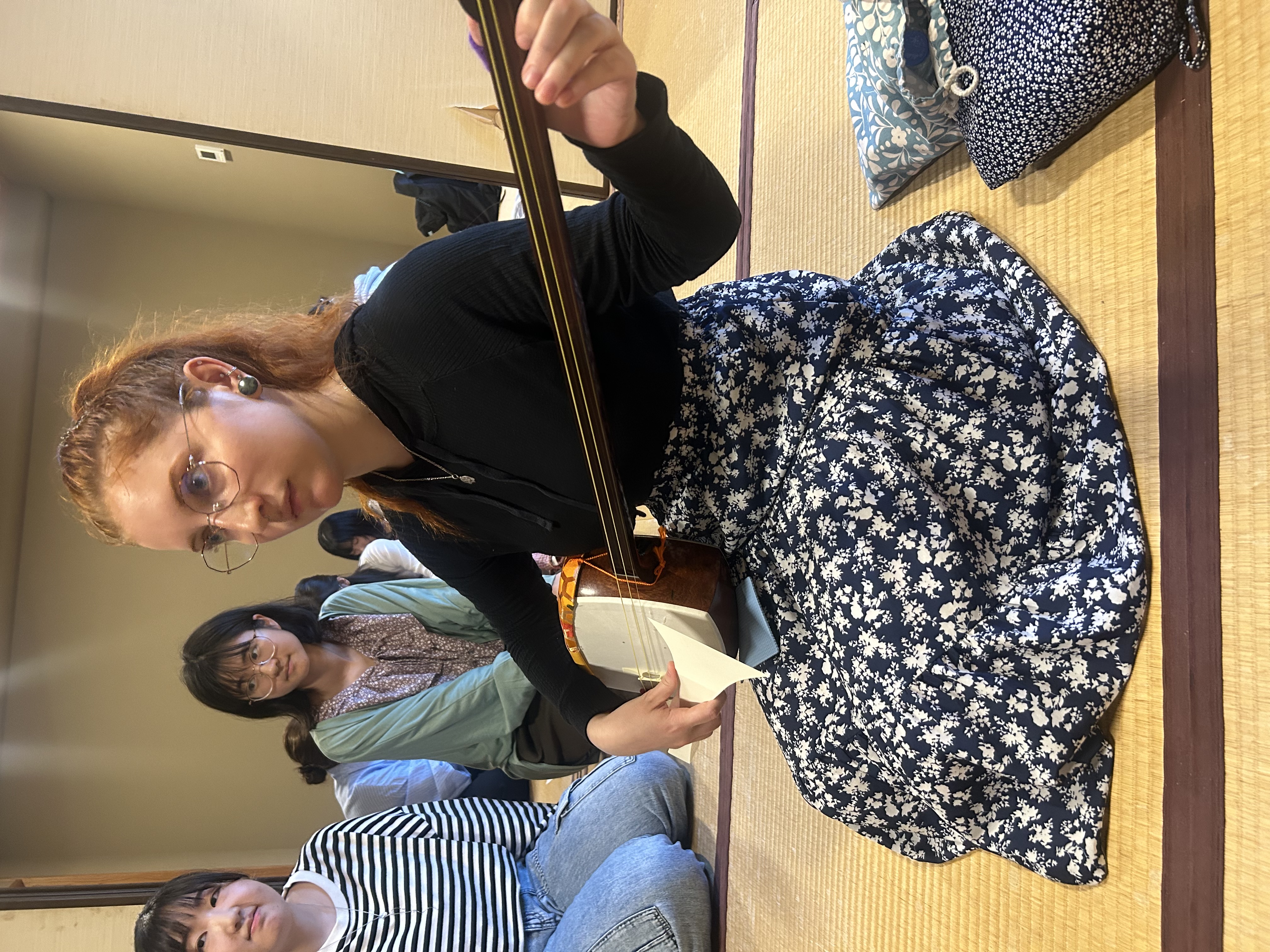
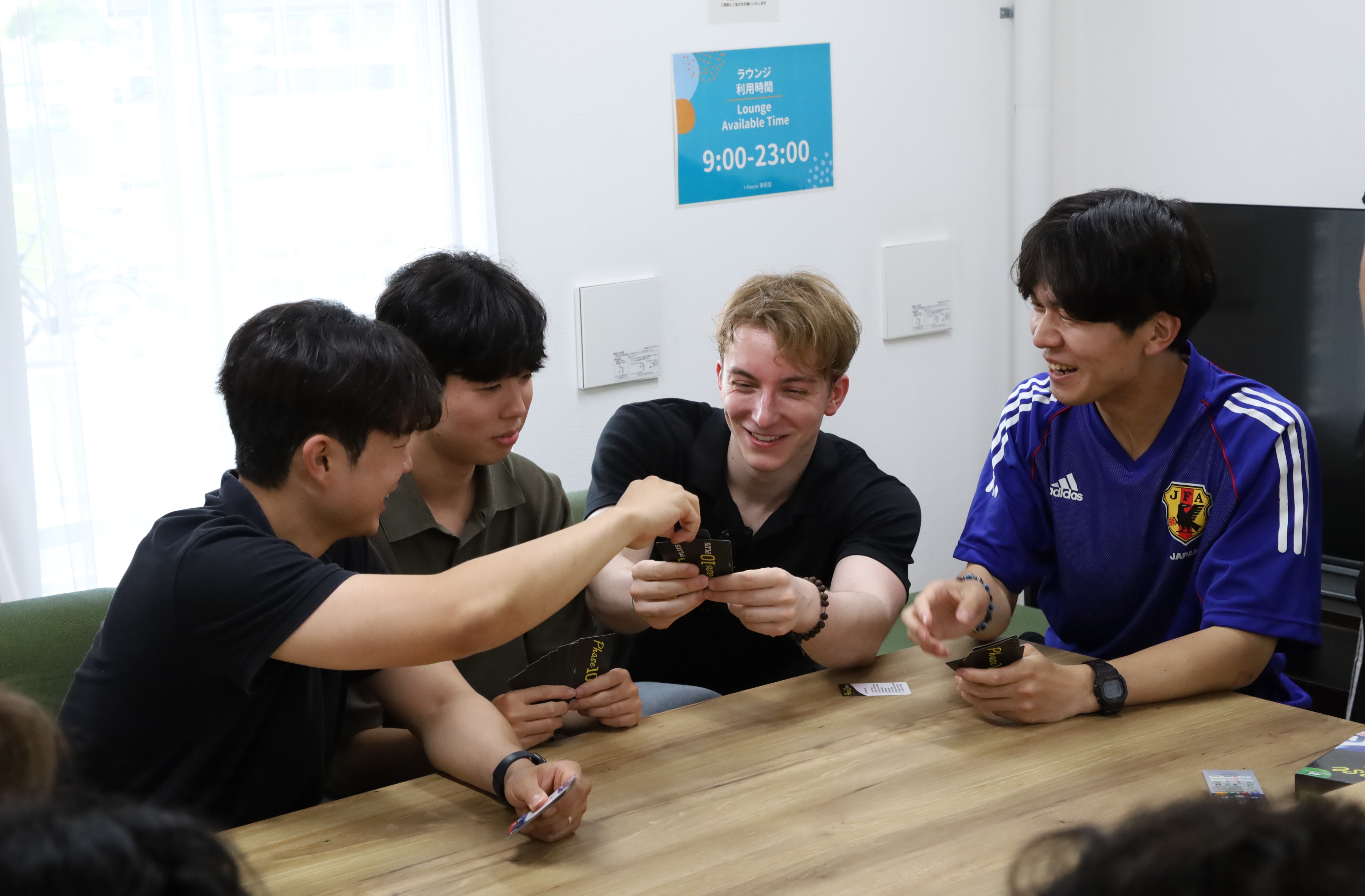
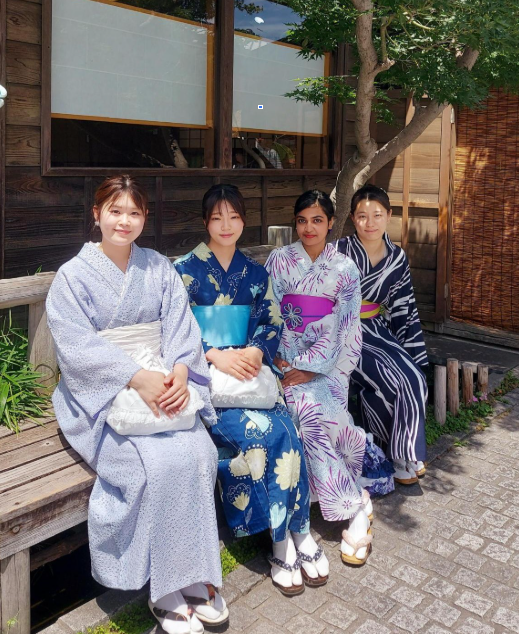
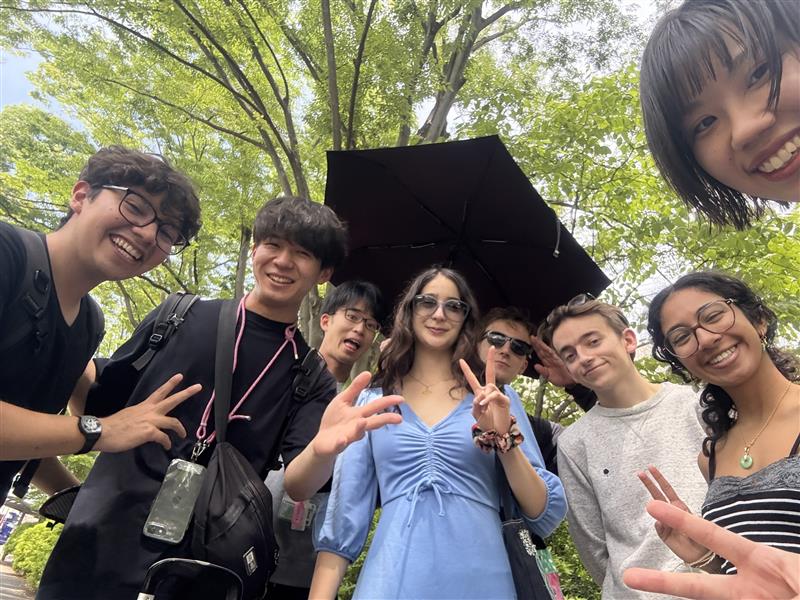
Numerous events for international students
Our campus provides an enriching environment where students deepen their intercultural understanding and build meaningful friendships that last beyond their time at the university.
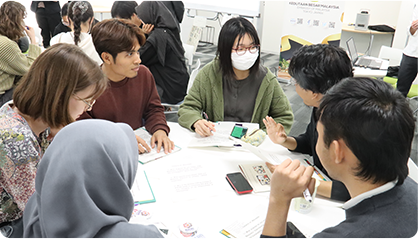

Diverse Faculties and Majors
Saitama University is an All in One Campus where five undergraduate faculties and three graduate schools are located on a single campus.
This integrated environment brings together students and faculty from diverse backgrounds, fostering collaboration and shared learning.
Through the fusion of knowledge across a wide range of disciplines, the university promotes education and research that continuously nurtures individuals who can thrive on the global stage.
Undergraduate
| Category | Faculty | Department / Course |
|---|---|---|
| Undergraduate Programs | Faculty of Liberal Arts | Department of Liberal Arts |
| Faculty of Economics | Department of Economics | |
| Faculty of Education | Training Course for School Teachers | |
| Training Course for Yogo Teachers | ||
| Faculty of Science | Department of Mathematics | |
| Department of Physics | ||
| Department of Chemistry | ||
| Department of Biochemistry and Molecular Biology | ||
| Department of Regulatory Biology | ||
| Faculty of Engineering | Department of Mechanical Engineering and System Design | |
| Department of Electrical Engineering, Electronics, and Applied Physics | ||
| Department of Information and Computer Sciences | ||
| Department of Applied Chemistry | ||
| Department of Civil and Environmental Engineering |
Graduate School
| Category | Graduate School | Major |
|---|---|---|
| Master’s Degree | Graduate School of Humanities and Social Sciences | Department of Social and Cultural Studies |
| Department of Japanese and Asian Studies | ||
| Department of Economics and Management Studies | ||
| Department of Diversity Studies | ||
| Graduate School of Education | Department of Teaching Professionals※ | |
| Graduate School of Science and Engineering | Program in Life Science | |
| Program in Material Science | ||
| Program in Mathematics, Electronics, and Informatics | ||
| Program in Mechanical Science | ||
| Program in Environmental Science and Civil Engineering | ||
| Interdisciplinary Education Program for Applied Science and Technology in Global Environment | ||
| Doctoral Degree | Graduate School of Humanities and Social Sciences | Department of Japanese and Asian Cultures |
| Department of Economics and Management Studies | ||
| Graduate School of Science and Engineering | Science and Engineering |
※Please note that admission is limited to applicants who hold a valid Japanese teaching license.
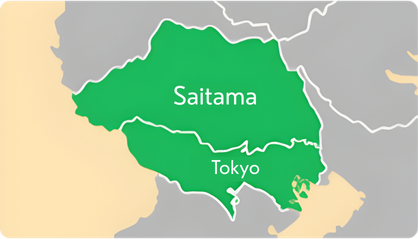

Easy Access to Tokyo
Saitama University is located in Saitama City, a government-designated city in the central Saitama Prefecture, with convenient train access to central Tokyo via train in approximately 30 minutes.
What is Saitama Prefecture Like?
A Living Environment that Balances Urban Convenience and Nature
Saitama Prefecture is located just north of Tokyo and provides quick and convenient travel to the city while still offering a calm and comfortable living environment. This unique blend of urban accessibility and natural surroundings is one of Saitama’s most appealing features.
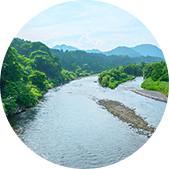
The Cultural Appeal of Saitama
Known for its rich natural landscapes, the region features the Chichibu mountain range and major rivers such as the Arakawa and Tone. Residents can enjoy seasonal scenery throughout the year, along with traditional festivals and a vibrant local culture. The coexistence of urban and rural areas has also fostered a diverse and distinctive food culture.

A Comfortable and Safe Living Environment
With a high level of public safety and well-developed infrastructure, Saitama provides a secure and comfortable living environment for international students and visitors alike. Shopping facilities and medical services are readily available, ensuring convenience and peace of mind in daily life.

A Welcoming Region with a Strong International Community
Saitama Prefecture is actively engaged in international exchange and is home to a diverse population of foreign residents. Through local events and university activities, there are many opportunities for international residents to interact with local Japanese communities, creating a welcoming and inclusive environment.
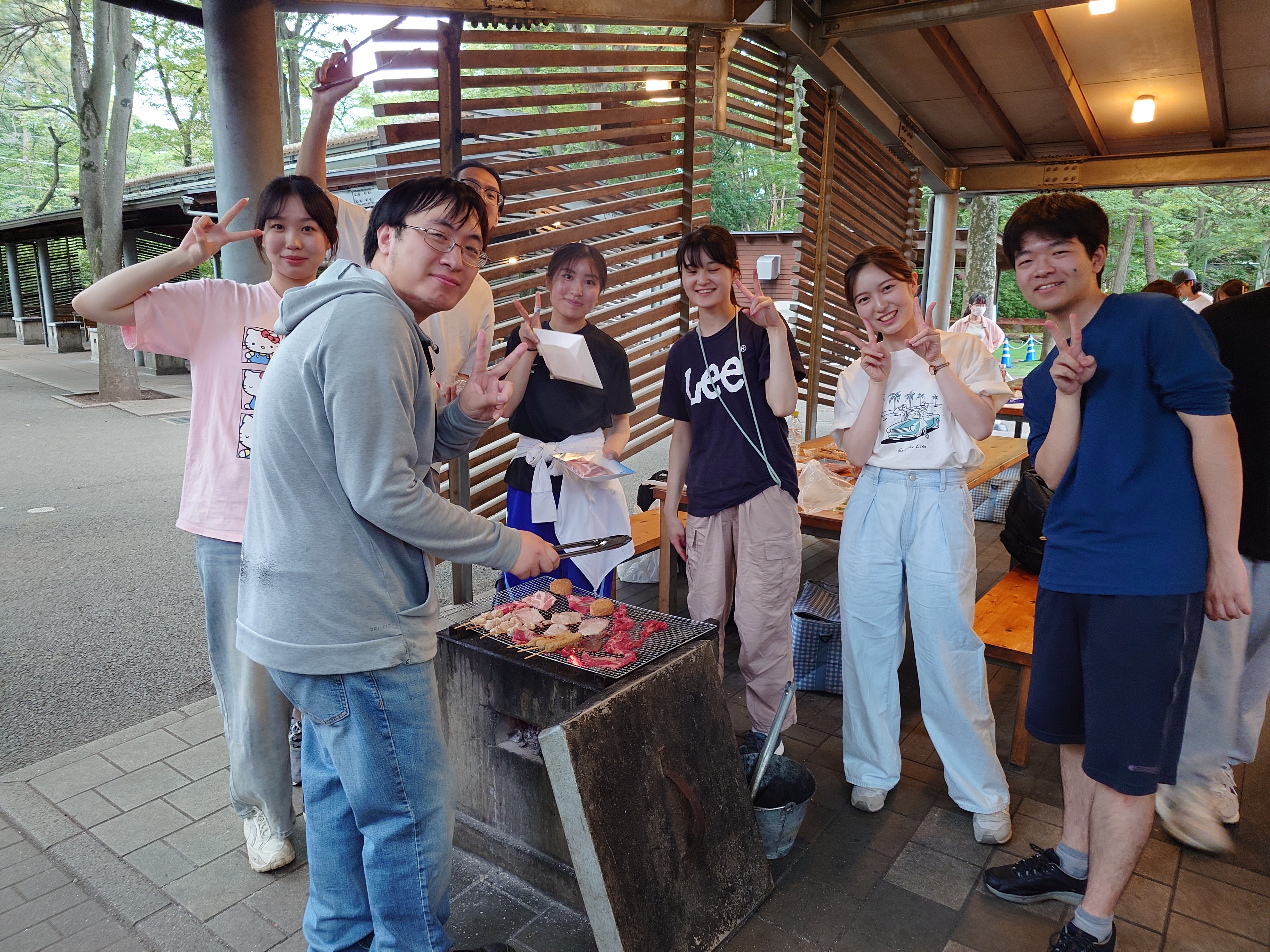
Interviews with Students

Hello, my name is Ana and I’m from Brazil. I came to Japan in 2021 as a MEXT scholarship student and enrolled in the International Relations course at Saitama University the following year. Unlike many other international students, most of my classes were conducted in Japanese, and I was often the only foreigner in the classroom. This allowed me to fully immerse myself in the life of a typical Japanese university student over the past four years and to form close friendships with Japanese students, which I believe is a rare and valuable experience among international students in Japan.
I was also a member of the ESS (English Speaking Society) club, where I connected with students from all over the world. This diverse environment is one of the main reasons I chose Saitama University—not only because it offered my desired program and had a convenient location, but also because of its international atmosphere. The professors and university staff were always kind and supportive, which made me feel welcome and at ease, even while living far from home.

I chose Saitama University mainly because it is a national university with a strong academic reputation and offers the International Graduate Program in Civil and Environmental Engineering. Another reason for choosing this university was its proximity to the capital (Tokyo), which I was very eager to explore as a foreigner.
My time here has been extremely rewarding. I had the opportunity to engage in various educational projects and events that were very fulfilling. The staff of I-House and FSO were very helpful and always responded promptly to concerns.
The campus is serene and beautiful, making education so enjoyable. I partook in some cultural events organized by the university, which broadened my appreciation for Japan. I was able to connect with people from diverse backgrounds and make true friendships .
I am eternally grateful for this enriching experience.

The are a few reasons why I wished to come to Saitama University. I have heard words of praise from a Saitama University exchange student in my home country. Being able to hear these first-hand experiences helped with choosing to apply to SU. Personally, I found it very important to have good support and communication with the professors at SU.
The location also played an important role. The city is not too busy, like Tokyo, but still has all the necessities like Tokyo, and if you wish to go to Tokyo’s popular spots such as Shinjuku and Shibuya there is a direct train line (Saikyo-sen). Not only is Tokyo accessible, but getting to the airport is also relatively easy and there is no need to take another flight or shinkansen. I find SU very balanced and a lovely place both for studying and experiencing the Japanese culture, traditional and modern.
Saitama University Academic Calendar
At Saitama University, a full range of academic programs and diverse events are offered throughout the year, allowing students to enjoy a rich university experience that extends beyond their studies.

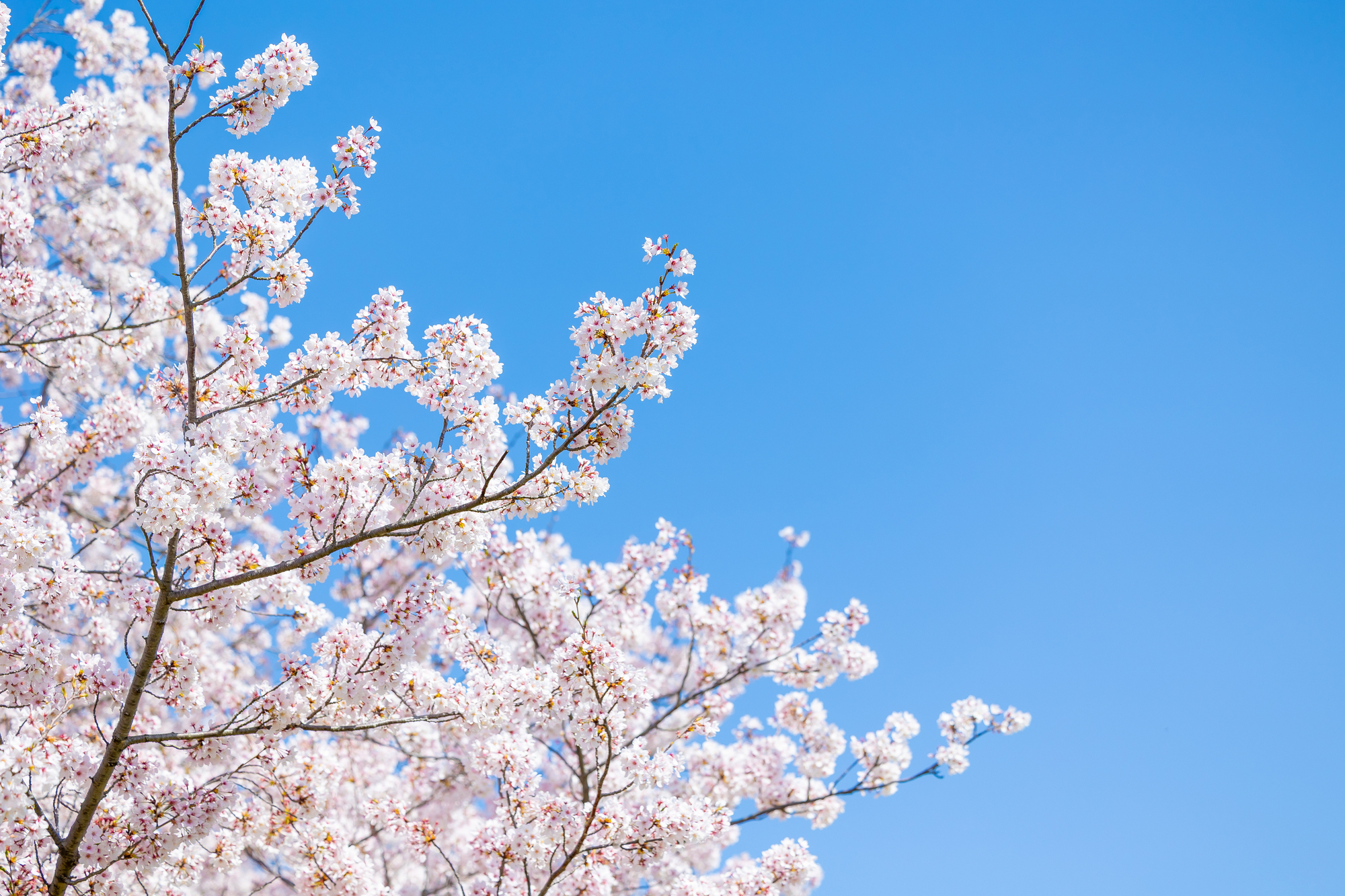
- New Student Orientation
- Entrance Ceremonies
- Start of First-Term Classes
- First-Term Final Examinations

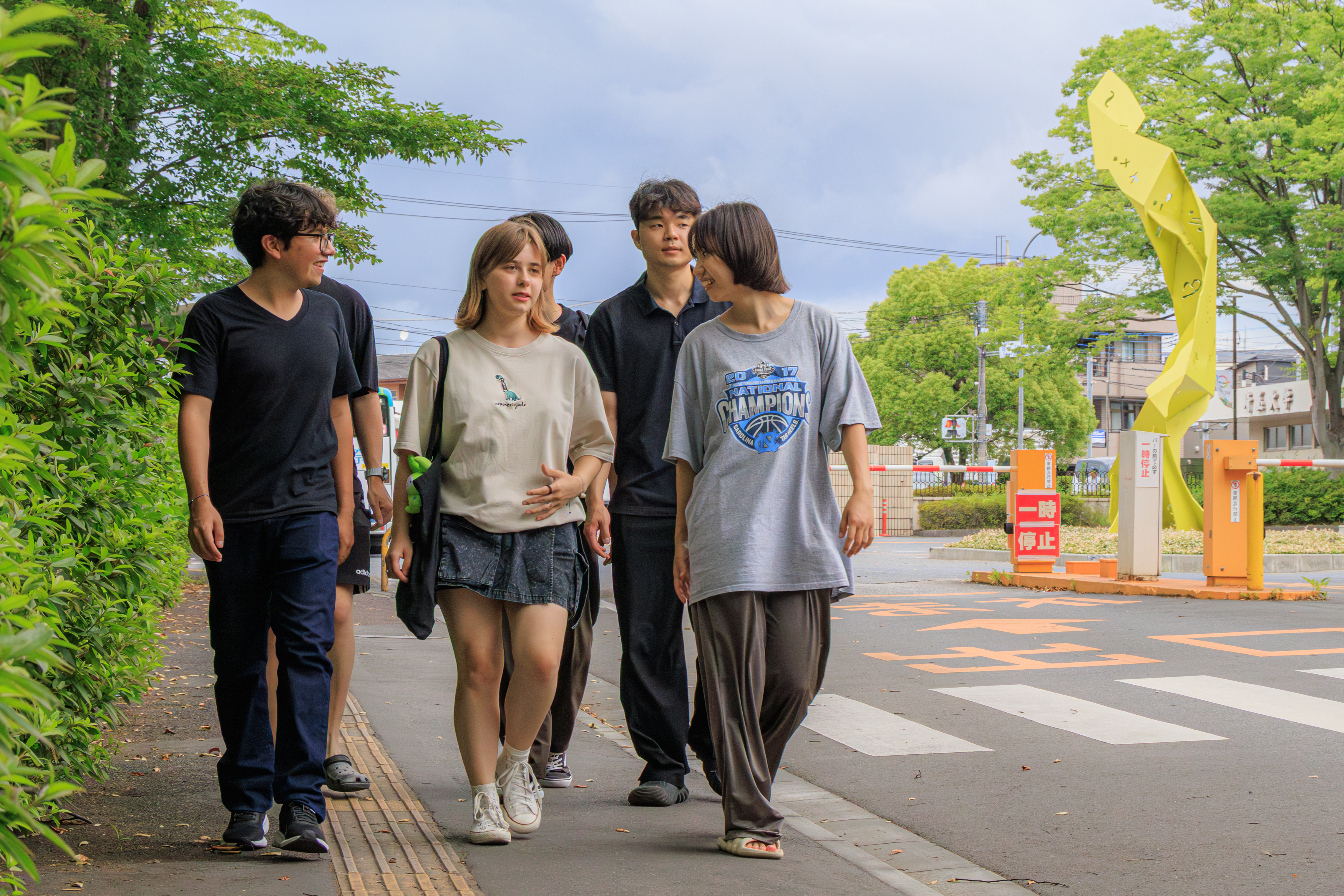
- Start of Second-Term Classes

- Second-Term Final Examinations
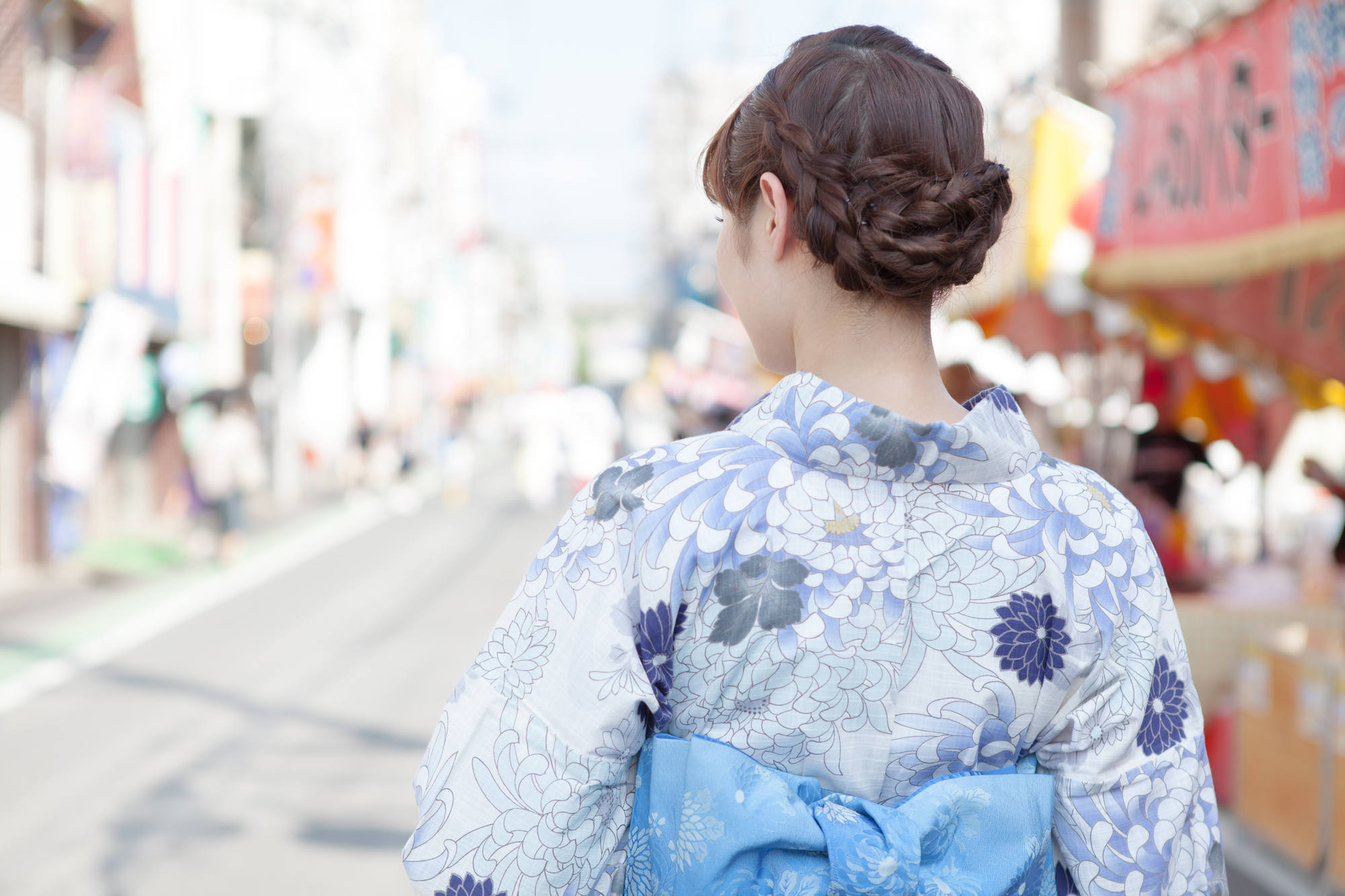
- Summer Break
- Intensive Summer Courses

- Summer Break
- Intensive Summer Courses
- Graduation Commencement Ceremony
- Fall Admission
- Start of Third-Term Classes
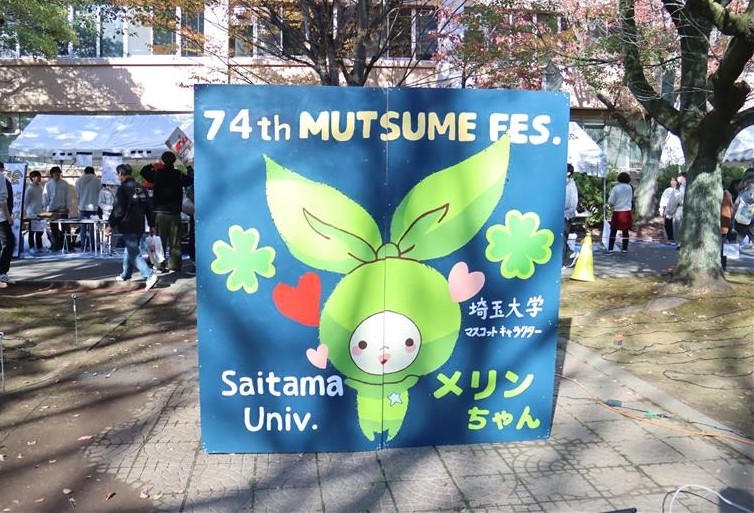
- Mutsume Festival (Campus Festival)
- Third-Term Final Examinations
- Winter Break
- Start of Fourth-Term Classes
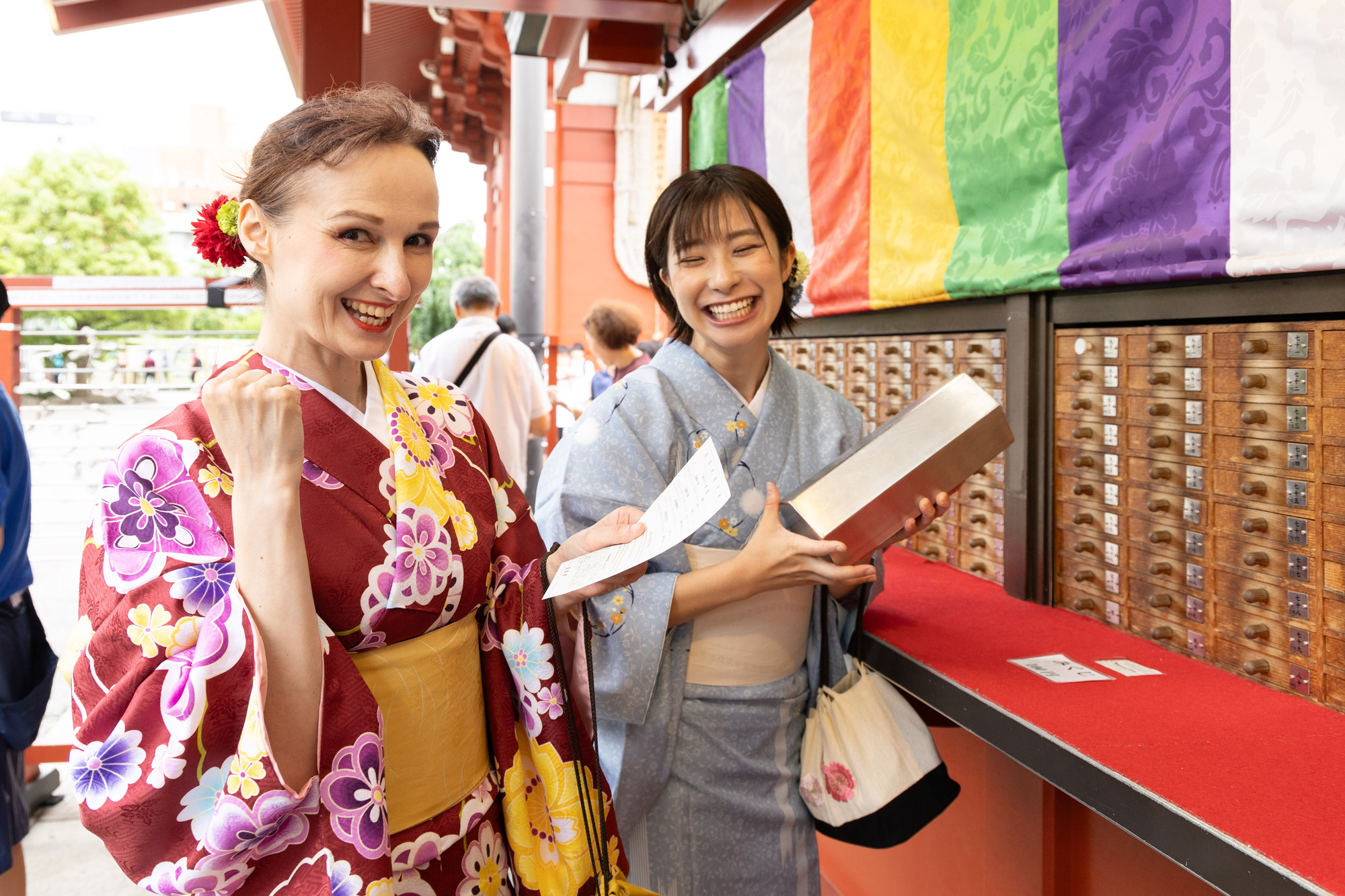
- Winter Break
- Fourth-Term Final Examinations

- Spring Break
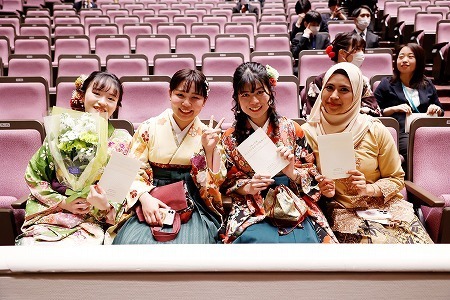
- Spring Break
- Undergraduate Commencement Ceremony
- Graduate Commencement Ceremony
Reliable Support System
A supportive environment where even first-time life in Japan feels secure - encouraging confident learning and future growth.
At Saitama University, a comprehensive support system is in place to ensure that international students can study with confidence, from pre-departure preparation to post-graduation career pathways. The university provides ranging assistance, including support with residence-status procedures, essential daily-life information, and scholarship applications.
Office of Advising Services for International Students offers professional guidance on various concerns international students may encounter, such as adjusting to life in Japan, academic matters, career planning, and interpersonal relationships. In addition, the Japanese Language Education Center provides opportunities to enhance language skills, including business Japanese programs. Strong career support is also offered in collaboration with the Career Center and public institutions within Saitama Prefecture, enabling comprehensive assistance from academics to future career development.




Join Us at Saitama University
Our Alumni Active Across the Globe
- Accenture Japan Ltd.
- Isuzu Motors Limited
- EXEDY Corporation
- SCSK Corporation
- NSD Co., Ltd.
- Tamron Co., Ltd.
- Tsubakimoto Chain Co.
- Hitachi, Ltd.
- FUJISOFT Incorporated
- Compass Group Japan Co., Ltd.
- SECOM Co., Ltd.
- McDonald’s Japan
- NTN Corporation
- Nomura Securities Co., Ltd.
- Hagiwara Solutions Co., Ltd.
- Honda Motor Co., Ltd.
- Manulife Life Insurance Company
- Hitachi Astemo, Ltd.
- Renesas Electronics Corporation
- ROHM Co., Ltd.
- Fudan University
- University of Turku
- Hanoi University of Civil Engineering
- Sher-e-Bangla Agricultural University
- Bangladesh Agricultural University
- Rajshahi University of Engineering and Technology (RUET)
- Ministry of Finance of Mongolia
- Ministry of Economy and Development of Mongolia
- Ministry of Construction (Myanmar)
- Ministry of Energy, Water Resources and Irrigation (Nepal)
- Astemo, Ltd.
- Bhutan Power Corporation Limited
- Indian Railways
- Consultancy and Inspection Joint Stock Company ECONINCO
- DXC Technology
- Ceywater Consultants Ltd.
- Setimadi Engineering Consultancy
- Inc. Structwell Engineers
- Shanghai Kaixin Garden Engineering Co., Ltd.
Plan Overview
Undergraduate
Regular undergraduate students who complete at least four years of study will receive a bachelor's degree. All classes and examinations are conducted in Japanese. Please note that Saitama University does not offer a Japanese Studies major or a preparatory Japanese-language program, so applicants are expected to have Japanese proficiency equivalent to N2 before applying.
Graduate Regular Student
Graduate schools offer two types of programs: Master's programs and Doctoral programs. After enrolling in a graduate program, students must complete the required period of study, receive necessary research guidance, pass their thesis defense and final examination, and be recognized as having fulfilled all program requirements. Upon meeting these requirements, they are awarded either a Master's or Doctoral degree, depending on the program in which they were enrolled.
Research Student
Research students undertake specialized research on a defined topic under the supervision of a designated faculty member. Research students do not earn academic credits and are not eligible to receive a degree.
Course-taking Student
Non-degree students (course auditors) may enroll in individual courses offered at Saitama University.
Please note that applicants who do not hold Japanese nationality must already possess a visa that allows them to remain in Japan through the end of the academic year in which they apply. Enrollment solely as a non-degree student does not qualify an individual to obtain, change to, or extend a "Student" residence status.
Short-Term Exchange Program of Saitama University (STEPS)
The STEPS Program is a short-term study program at Saitama University designed for international students from our partner universities. The program can be taken for one or two semesters, depending on the student's study plan. Students may take Japanese intensive courses or regular academic classes together with Saitama University students, depending on their language level and interests.
Scholarships

MEXT
(Japanese Government)
Scholarship Program
The scholarship supports outstanding international students from abroad, promotes international exchange, develops global human resources, and advances the internationalization of Japanese universities. It provides comprehensive support for studying in Japan, including tuition exemptions, travel allowances, and a monthly stipend.

Monbukagakusho Honors
Scholarship
The scholarship is awarded to privately financed international students studying in Japan who demonstrate excellent academic achievement and personal character but face financial difficulties. Recipients are selected based on factors such as their results on the Examination for Japanese University Admission for International Students (EJU) and recommendations from their universities.

Private Organization
Information on private scholarships for international students is available on the website of the Office of International Affairs, where students can apply for scholarships that best suit their needs. Support is provided throughout the entire process, from application to receipt of the scholarship.
Frequently Asked Questions
Once you have been admitted to Saitama University and have completed the enrollment procedures, the university will send you the documents required to apply for a Certificate of Eligibility (CoE). After obtaining the CoE, you should apply for a student visa at the Japanese embassy or consulate in your home country. Detailed instructions will be provided once your admission is confirmed.
For undergraduate students, all lectures are conducted in Japanese, so a certain level of Japanese language proficiency is required. At the graduate level, however, there are programs that can be completed entirely in English.
Yes. Vegetarian and halal-friendly meals are available at the university cafeterias, and there are also vegetarian- and halal-friendly restaurants in the surrounding area.
Yes, you can work part-time, but only after you apply to the Immigration Services Agency of Japan and receive Permission to Engage in an Activity Other Than That Permitted Under the Status of Residence. Once approved, you may work up to 28 hours per week.
Alumni
Comment
NAGAHAGE ISURA SUMEDA PRIYADARSHANA
Democratic Socialist Republic of Sri Lanka
Graduated Department : Graduate School of Science and Engineering
(Program in Environmental Science and Civil Engineering)
My time in the doctoral program at Saitama University was one of the most formative periods of my professional and personal life, and it continues to shape how I work today as a university researcher in the United States. Looking back, I realize that the value of my experience at SU extended far beyond technical training—it provided me with a way of thinking, a global perspective, and a resilience that has been essential throughout my academic career.
During my doctoral studies, I was trained rigorously in plant molecular biology and genetics, with a strong emphasis on experimental design, data integrity, and scientific reasoning. At SU, I learned how to approach complex biological questions systematically—how to break them down into testable hypotheses, design appropriate experiments, and interpret results critically. This foundation directly supports my current role as a research scientist, where I independently plan projects, mentor students, manage laboratory operations, and contribute to collaborative research programs.
One of the most valuable aspects of my doctoral training was the emphasis on independence and responsibility. From an early stage, I was encouraged to take ownership of my research, manage my time effectively, and communicate my findings clearly. This mindset prepared me well for my postdoctoral work in Sweden and my current position at the University of Kentucky, where self-direction, problem-solving, and collaboration are essential. The ability to work independently while remaining open to feedback is something I developed strongly at SU.
Beyond technical skills, SU helped me develop a broad scientific perspective. My research on transcription factors and regulatory networks exposed me to systems-level thinking and feedback mechanisms—concepts that later influenced my interdisciplinary interests in environmental monitoring, sustainability, and instrumentation. Today, my work integrates molecular biology with engineering approaches, and I often reflect on how my doctoral training at SU taught me to think across scales, from genes to systems.
There are many memorable experiences from my time at SU. Conducting experiments late into the night, troubleshooting protocols that initially failed, and celebrating small breakthroughs with lab members are moments that still resonate with me. One of the most important challenges I faced was learning how to persist when experiments did not work as expected. These experiences taught me patience, resilience, and the importance of critical reflection—qualities that are indispensable in research. The supportive yet demanding research environment at SU helped me grow both scientifically and personally.
Equally impactful was the multicultural environment at Saitama University. As an international student, I was welcomed into a diverse academic community that included students and researchers from many countries and cultural backgrounds. This experience broadened my worldview and taught me how to communicate across cultural and disciplinary boundaries. Today, having lived and worked in Sri Lanka, India, Japan, Sweden, and the United States, I deeply appreciate how my time at SU prepared me to thrive in international research environments.
To students considering graduate studies, my advice is simple but important: choose a program that will challenge you, not just technically but intellectually and personally. Graduate school is not only about gaining knowledge; it is about developing habits of thinking, perseverance, and ethical responsibility. Embrace challenges, seek mentorship, and do not be afraid of failure—many of the most valuable lessons come from moments when things do not go as planned.
I also encourage students to remain open to interdisciplinary learning. The scientific and societal challenges we face today—whether related to environment, health, or technology—require perspectives that cross traditional boundaries. Use graduate school as an opportunity to explore, to ask broader questions, and to connect your research to real-world applications.
I am deeply grateful for the education, mentorship, and community I experienced at Saitama University. The doctoral program provided me with a strong foundation that continues to guide my work as a researcher, mentor, and collaborator. I am honored to be an alumnus of SU, and I hope my journey encourages current and future students to pursue their goals with curiosity, dedication, and confidence.
Career Center Support
The Career Center provides comprehensive employment support for international students, including access to internship opportunities open to them and assistance with connecting students to Japanese companies.